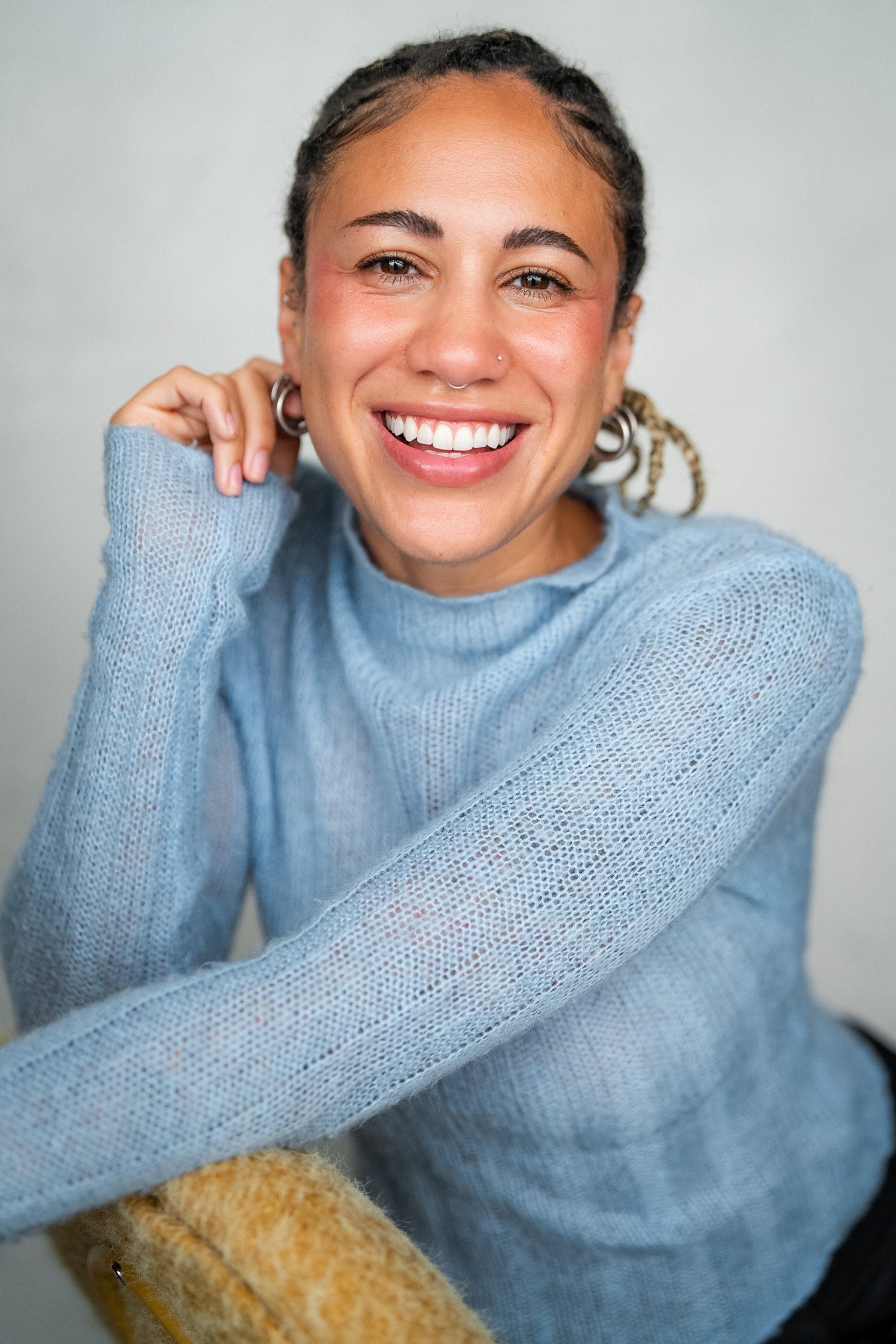
Hi, I’m Alexis
I’m a licensed psychotherapist, a transracial adoptee, and an adoptee-centered voice passionate about recognizing the grief and loss inherent in adoption. My work prioritizes the intersectional existence that we as transracial adoptees endure. Acknowledging the trauma of early maternal separation, attachment, and identity, recognizing the profound losses adoptees are often expected to forget rather than to feel, name, and say out loud.
I am a domestic, infant, transracial adoptee, and a mixed Black woman. I was raised by two White parents in predominantly White spaces of the Pacific Northwest, where I was almost always the only Black or brown person in every room.
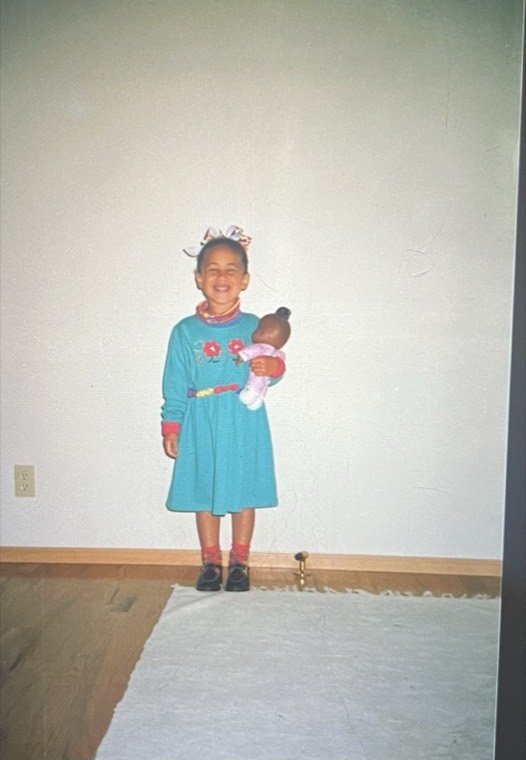
I was raised by parents, and within a culture, that prioritized “colorblind” rhetoric. “I don’t see color.” In other words, “I don’t see you.” Part of it may have been well meaning, but it was also an avoidance and a dismissal of essential parts of who I am. It deeply affected my ability to cultivate my racial identity, and my identity in general.
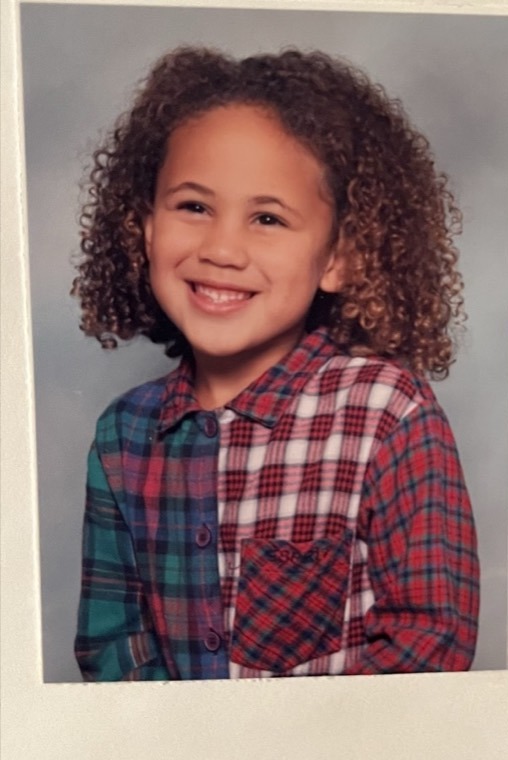
From questions like “where are your real parents?” and “where are you really from?” to the presumptive “you’re so lucky to be adopted!” and “you should be grateful”. I became reclusive when it came to sharing my honest feelings about being adopted. I was depleted by the assumptions and the narratives projected onto me, I felt isolated and exhausted. Like so many adoptees, self-silencing and self-abandonment became my default. I learned to hide how I really felt and to “just be grateful” for being adopted. This suppression of myself became a heavy burden to bear that eventually manifested itself in the deterioration of my mental health.
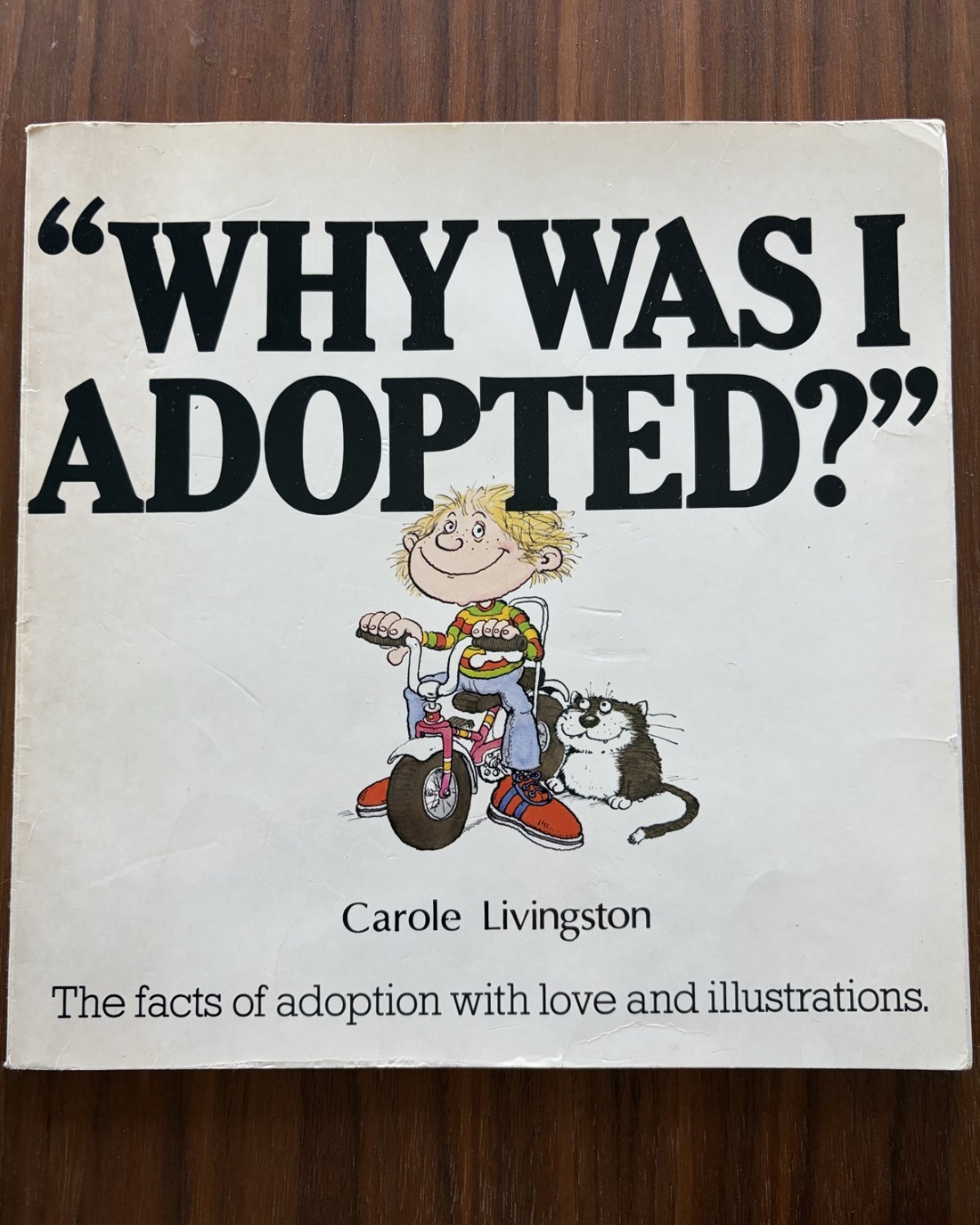
Adoptee voices have historically been silenced when it comes to broader adoption narratives. Adoption has largely prioritized the voices of adoptive parents above all else leaving adoptees voiceless in our experience. Relinquishment is talked about in absolutes, in black and white, when in reality it lives in the in between—the grey—the both/and. There is so little understanding of the nuance when it comes to adoption. That you can love your adoptive family while also grieving the biological family you were forced to leave behind.
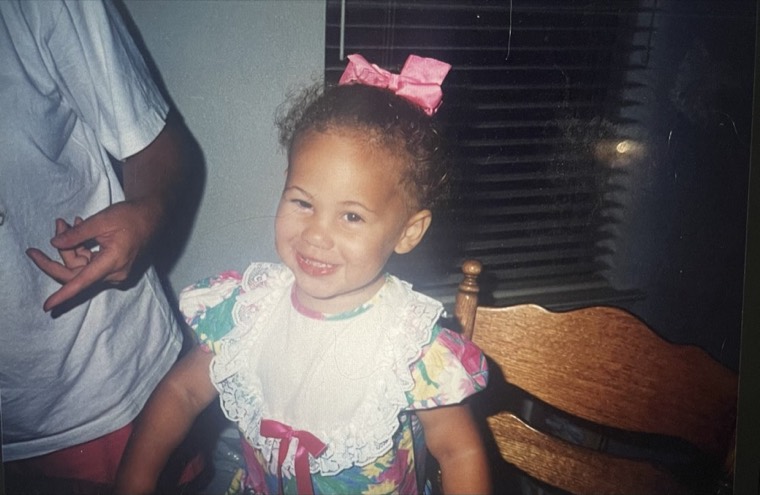
As a highly sensitive human with a complicated and intersectional identity, I went on my own journey to become the therapist I always yearned for, but could never find. Adoptee-centered, a space where, for the first time in our lives, our narratives as adoptees are prioritized at the center of everything we do.
In this space, you don’t have to explain why you feel an uncomfortable yet indescribable pit in your stomach when someone says “I’ve always wanted to adopt!” or “your parents are so amazing for adopting and saving you”. I have felt what you don’t have the words to describe. You will not have to educate me on the complexities of adoption, identity, or attachment, because I have spent the better part of a decade refining my craft both personally and professionally to better support you.
You deserve to be supported, to feel seen and safe expressing your unfiltered feelings about adoption. To feel validated and understood in ways you didn’t think were possible, and to be centered in your own adoption story without questioning or debate. <3
Verified on Psychology Today →Degrees & training
- Licence
- Licensed Mental Health Counselor. LH61448810
- Master of Arts
- Counseling, Clinical Mental Health
- Bachelor of Arts
- Sociology, cultural analysis specialty, with a minor in fine arts
- Additional
- EMDR